From Timing a Walk to the Mailbox to Traveling Three Times in Three Months
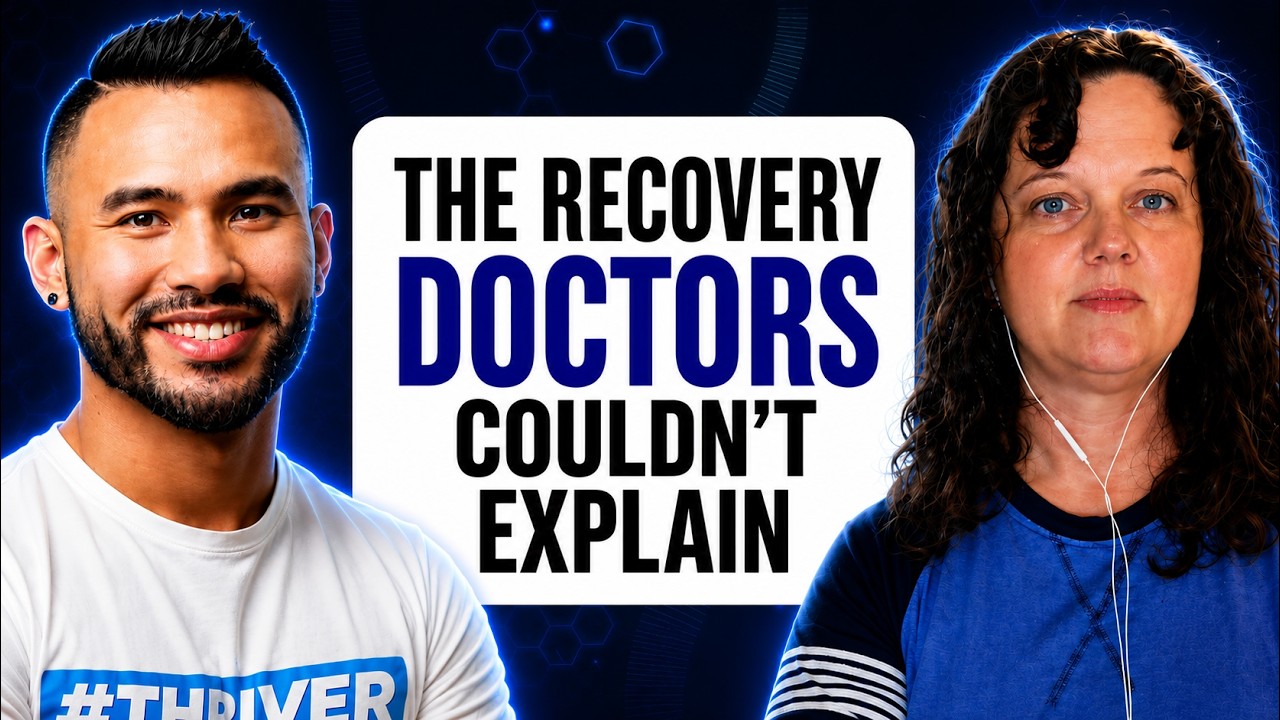
Watch Vera's full recovery interview
"My first win was walking to the mailbox. I timed it. Three minutes and twenty-five seconds."
Individual results vary. This is one person's experience and is not a guarantee of specific outcomes.
Key Takeaways From Vera's Recovery
| Condition: | Long COVID, on top of years of running on adrenaline. Looking back, she says her nervous system had been signalling for a long time. |
| Severity: | Somewhere between bed bound and couch bound, in the house for several months, with a symptom list she stopped counting at around fifty. |
| What worked: | CFS Recovery's recovery system, built on nervous system retraining based on neuroplasticity protocols, plus weekly coaching with Crista and a solution-focused community. |
| Now: | Working full-time as a project director, traveling, strength training, and walking while listening to audiobooks. |
Vera's Story: Living With Long COVID
I was born in the Soviet Union and I live in Winnipeg now. If you ask how long I've been dealing with this, I have three answers. I used to say December 2023, because that's when I got long COVID. Then I'd say 2020, because that's when I finished a big work program and ran out of the adrenaline I'd been running it on. Now I think I'd been unwell my whole life and just wasn't listening.
I could never live in the moment. I didn't know what that was. If I paused for five seconds, my mind would start swirling. I'd get through bottles of painkillers without really noticing. I had random food reactions. I thought that was a normal life. My nervous system had been telling me things for years.
I had COVID in November 2023 and kept going back to work after a week of it, and I got worse every week. By Christmas I knew I was on the edge. I didn't know I was standing at a cliff. Then on Christmas Day my father passed away, and I cried for two days without stopping. When my bereavement leave ended, I just couldn't get out of bed.
I had, I don't know, fifty symptoms, a hundred symptoms. They came and went. I couldn't eat most foods. Every digestive problem there is, I had it. I was sensitive to light and to smells. My sleep was terrible. My heart rate would hit 120 or 130 just from walking to the bathroom. Burning sensations all over my body. Full body twitches. Chest pain every day for five months. And the cement truck feeling, like I was lying under a pile of stones.
I come from a family of doctors and I believe in evidence. So I refused to join anything until I'd been cleared by every specialist, because I knew I couldn't commit while I was still wondering if it was my heart. The day after my cardiologist told me my heart was healthy, five months of chest pain stopped. That was it. That's when I knew it was my nervous system.
I was looking for a specific thing: live calls and a community. I joined a free YouTube live with Junior and Adrianne, and it was the vibe. You don't interact with the founder when you join something like this, you interact with the team, so I needed to resonate with the team. I signed up that day.
My first win was walking to the mailbox. I timed it. Three minutes and twenty-five seconds to walk there, open it, and walk back. After months of only leaving the house for appointments.
I kept daily logs of what I did physically, then cognitively, then emotionally. That's where the pattern showed up. I wasn't spending my energy on activity, because I wasn't getting out of bed. I was spending all of it on my emotions.
This experience taught me that consistency beats intensity every day. I was a project manager. My whole mindset was to put everything into something, get it done, then relax. You don't want to know the maximum you can do today and then nothing for a week. You want to know the minimum you can do consistently. That's how you show up for your recovery.
My insurance mandated a ten-week return to work, which no medical professional would have recommended. Crista helped me reframe it as my choice, because I loved that job and I wanted it. So I built a cognitive rehabilitation plan and went at it with open eyes. Lunches with strangers once a week, industry events, mentoring a recent immigrant. My occupational therapist suggested I play Dungeons and Dragons, so I did that once a week too. I got paid to play Dungeons and Dragons.
The other things I learned are the power of acceptance and of intention. As soon as I accepted where I was, my symptoms went down. And intention matters. If you meditate because you think meditation will fix your symptoms, your nervous system knows you're trying to fix it. You have to genuinely enjoy the thing.
The Science Behind Long COVID Recovery
In Long COVID, the nervous system can get stuck in a chronic stress response. Research suggests the issue may be functional rather than structural. Your nervous system may be stuck in protection mode, and even normal activities can feel overwhelming. This is what keeps symptoms like fatigue, brain fog, and insomnia cycling.
Nervous system retraining uses neuroplasticity, your brain's ability to rewire itself, to help shift out of that stuck state. Instead of managing symptoms, it may address the underlying pattern.
Before vs. After: Vera's Recovery
| Area | Before Recovery | After Recovery |
|---|---|---|
| Daily Life | Between bed bound and couch bound for months | Full-time leadership role, ten-hour days when a project goes live |
| Movement | Three and a half minutes to reach the mailbox and back | Strength training and daily walks |
| Travel | Counting the steps to her seat, knowing she'd pay for it | Ten days in Mexico and three trips in three months |
| Cognitive | Brain fog after 30 minutes on a computer | Work that's 100 percent cognitive, all day |
| Emotional | Caught up in everyone else's emotions | Handles other people's emotions calmly, at work and at home |
Where Is Vera Now?
Vera works full-time as a project director in a demanding leadership role, has travelled three times in three months, does strength training, and walks while listening to audiobooks. She says her only limitation now is that there aren't enough hours in the day. Vera made this progress through CFS Recovery's recovery system, built on nervous system retraining. This story is part of our 100+ hours of filmed recovery case studies, where clients share their experiences on camera, in their own words.
We've helped people as young as 9 and as old as 86. People who've been dealing with this for 1 month to 69 years. People from bedridden to semi-functional and everywhere in between. That's 2,000+ clients across 50+ countries in our community.
Vera's Recovery Wins
Frequently Asked Questions
Can you recover from long COVID?
Vera's story is part of over 100 hours of filmed recovery case studies from CFS Recovery's community. Through nervous system retraining and neuroplasticity protocols, people with long COVID have reported meaningful progress. CFS Recovery has helped people from bedridden to semi-functional and everywhere in between.
What is nervous system retraining?
Nervous system retraining uses neuroplasticity principles to help your brain and nervous system shift out of a stuck stress response. In CFS and long COVID, the nervous system often gets locked in a protective mode after a viral trigger or prolonged stress. Retraining aims to help it shift out of that protective mode. It's coaching-based, not medication-based.
How bad were Vera's symptoms before recovery?
Vera was somewhere between bed bound and couch bound and stayed in her house for several months. Her heart rate would hit 120 to 130 just from walking to the bathroom, she had chest pain every day for five months, and she stopped counting her symptoms somewhere around fifty. Read the full story above.
Where is Vera now after long COVID?
Vera works full-time as a project director in a role that's entirely cognitive, travels regularly, does strength training, and walks while listening to audiobooks. Her story is one of many in CFS Recovery's community of 2,000+ clients across 50+ countries.
Your Recovery Story Could Be Next
Every person on our Recovery Stories page once felt exactly like you do now. Exhausted. Skeptical. Wondering if recovery was even possible. Vera's story shows what's possible.
We use cookies to understand how people find us and to improve our content. See our privacy policy.