From Rock Bottom to Strong and Healthy
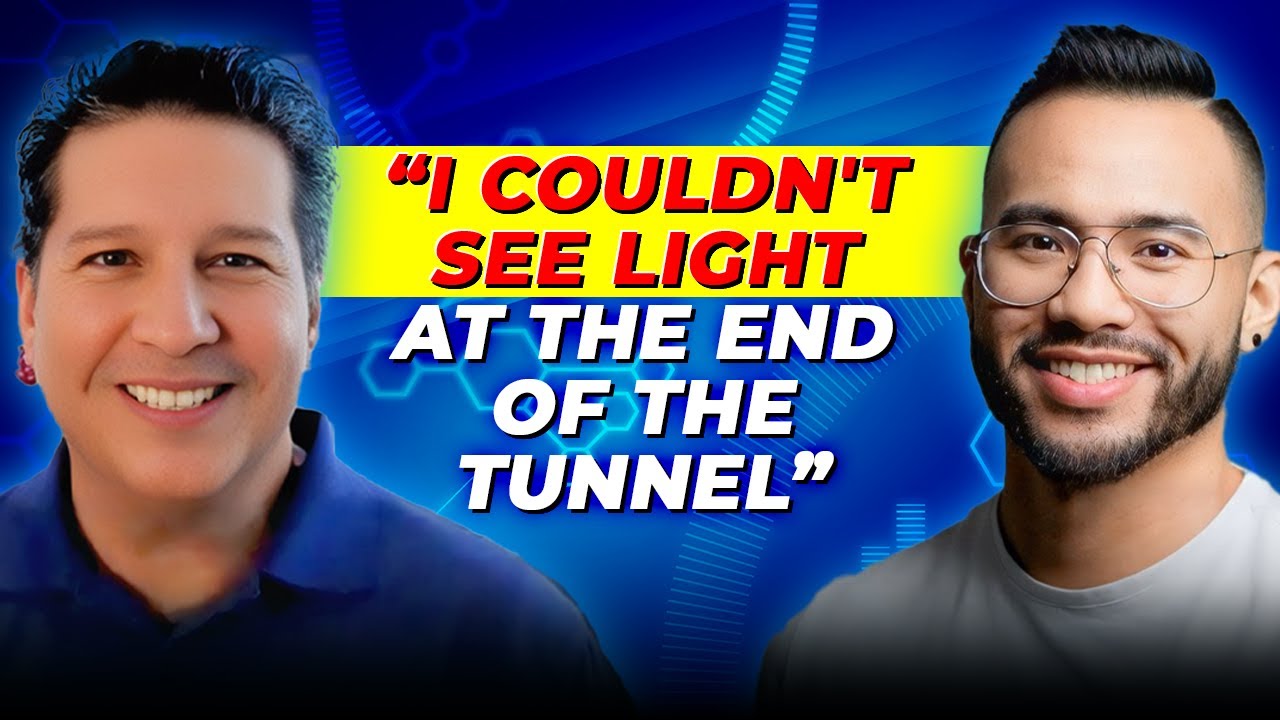
Watch Manny's full recovery interview
"Every hour on the job is a celebration because I couldn't use my legs most of last year."
Individual results vary. This is one person's experience and is not a guarantee of specific outcomes.
Key Takeaways From Manny's Recovery
| Condition: | ME/CFS. Onset during the pandemic after years of chronic stress. |
| Severity: | Bedbound. He spent most of 2024 lying still, walking about 1,700 steps a day, and nearly applied for disability. |
| What worked: | CFS Recovery's recovery system, built on nervous system retraining based on neuroplasticity protocols, plus community support and letting go of obsessive biometric tracking. |
| Now: | Working 40 hours a week in a physically demanding outdoor job, swimming and stretching on his lunch breaks. |
Manny's Story: Living with ME/CFS
Before the pandemic I was doing really well. I'd lost 35 pounds, I was back in the gym, and I felt strong. Then everything changed. I'd worked as a psychotherapist for 30 years, and the overwhelm of that season hit hard. Clients were losing jobs and loved ones. College never prepared any of us for it.
The brain fog and fatigue crept in slowly. I couldn't bounce back on my own, and I ended up leaving the profession. I spent most of 2024 staring at the ceiling. My whole day was getting out of bed to go to the bathroom or the refrigerator. About 1,700 steps a day, day after day.
I couldn't find the motivation for anything. I felt flat and empty, like I was just going through the motions. Every morning felt like a hangover, and I wasn't touching any substances at all. If you'd known me 10 or 20 years ago, you wouldn't have recognized me.
It was a very lonely place. I spoke with my wife a ton of times and remember thinking, does she even get it? Does she believe me? I'd done all the lab work and it kept coming back normal. All I kept hearing was get rest. It didn't matter if I slept 8, 10, or 12 hours. The battery still felt like it was at 5 or 10%. Even 18 days in India didn't reboot me. I came back and it was back to flat.
By the summer of 2024 I was about to apply for disability. Then I made a transactional decision. I stopped investing energy in convincing the system how sick I was, and I invested that energy in convincing myself that I could heal. I joined the Recovery Academy in mid-September.
The biggest turning point came on a group call. I'd been married to a biometric tracking device for 14 months, using all my academic intellect to make the data tell me a story instead of going through the story my body was telling me. That night, with 27 people on the Zoom call, I took it off right there. I told my wife, cancelled the monthly membership, and felt better 24 to 36 hours later. I finally had a dialogue with myself instead of with an app.
From there, things started clicking. I walked in nature, got back to Tai Chi, and treated sleep as a sacred act. I stopped chasing perfection and started honoring progress. The community, the coaching calls, and the nervous system assessments helped me bridge the gap between what I was feeling and how I was showing up.
The Science Behind ME/CFS Recovery
In ME/CFS, the nervous system can get stuck in a chronic stress response. Research suggests the issue may be functional rather than structural. Your nervous system may be stuck in protection mode, and even normal activities can feel overwhelming. This is what keeps symptoms like fatigue, brain fog, and insomnia cycling.
Nervous system retraining uses neuroplasticity, your brain's ability to rewire itself, to help shift out of that stuck state. Instead of managing symptoms, it may address the underlying pattern.
Before vs. After: Manny's Recovery
| Area | Before Recovery | After Recovery |
|---|---|---|
| Daily Life | Lying still most of the day, about 1,700 steps | Working 40 hours a week outdoors |
| Energy | Battery at 5 or 10% no matter how long he slept | Handles physical labor, plus swimming and stretching |
| Work | Left his 30-year career, nearly applied for disability | Full-time landscaping, planning a return to psychotherapy |
| Emotional State | Flat, disconnected, stuck in survival mode | Regulated, connected, and purpose-driven |
| Outlook | Felt boxed in by the illness | "What if there is no box" |
Where Is Manny Now?
Manny works 40 hours a week in a physically demanding outdoor landscaping job, swims and stretches on his lunch breaks, and is gearing up to return to psychotherapy as a wiser, more self-caring practitioner. He made this progress through CFS Recovery's recovery system, built on nervous system retraining. His story is part of our 100+ hours of filmed recovery case studies with other people sharing their experiences on camera, in their own words.
We've helped people as young as 9 and as old as 86. People who've been dealing with this for 1 month to 69 years. People from bedridden to semi-functional and everywhere in between, all in our community.
Manny's Recovery Wins
Frequently Asked Questions
Can you recover from ME/CFS?
Yes. Manny's story is part of over 100 hours of filmed recovery case studies from CFS Recovery's community. Through nervous system retraining and neuroplasticity protocols, people with ME/CFS have reported meaningful progress. CFS Recovery has helped people from bedridden to semi-functional and everywhere in between.
What is nervous system retraining?
Nervous system retraining uses neuroplasticity principles to help your brain and nervous system shift out of a stuck stress response. In ME/CFS, the nervous system often gets locked in a protective mode after a viral trigger or prolonged stress. Retraining aims to help it shift out of that protective mode. It's coaching-based, not medication-based.
How severe was Manny's condition before recovery?
Manny was dealing with ME/CFS at a severe level. He spent most of 2024 lying down, walking about 1,700 steps a day, and was about to apply for disability when he found CFS Recovery. Read the full story above.
Where is Manny now after CFS Recovery?
Manny works 40 hours a week in a physically demanding outdoor landscaping job, swims and stretches on his lunch breaks, and is gearing up to return to psychotherapy. His story is one of many in CFS Recovery's community of 2,000+ clients across 50+ countries.
Your Recovery Story Could Be Next
Every person on our Recovery Stories page once felt exactly like you do now. Exhausted. Skeptical. Wondering if recovery was even possible. Manny's story shows what's possible.