Couldn't Walk 60 Meters. Now Moving Freely and Living Without Limits.
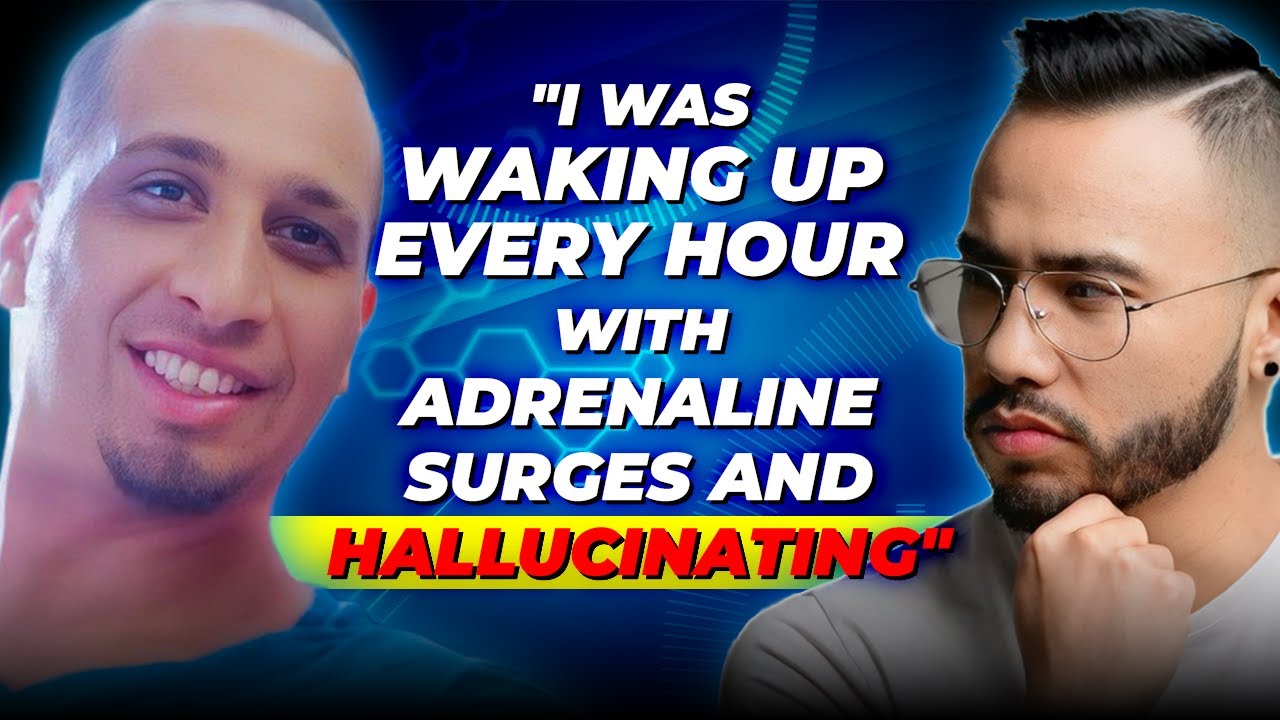
Watch Abdul's full recovery interview
"I couldn't walk 60 meters. Now I'm moving freely and living without limits."
Individual results vary. This is one person's experience and is not a guarantee of specific outcomes.
Key Takeaways From Abdul's Recovery
| Condition: | ME/CFS. Housebound and unable to walk more than 60 meters. |
| Severity: | Housebound. Basic movement like walking short distances was beyond his capacity. |
| What worked: | CFS Recovery's recovery system, built on nervous system retraining based on neuroplasticity protocols. |
| Now: | Moving freely and living without limits. No longer confined to his home. |
What Does It Mean to Be Housebound With ME/CFS?
Being housebound means your world shrinks to four walls. Abdul couldn't walk 60 meters. That's less than the length of a swimming pool. Most people walk that distance without thinking about it, getting from the car to the front door or walking to the kitchen. For Abdul, it wasn't possible.
This is a reality that millions of people with ME/CFS live with every day. Your body feels like it's running on empty. Your nervous system is stuck in a stress response, and even the smallest movement can feel overwhelming. It's not laziness. It's not "being tired." It's a nervous system that's locked in protection mode.
Why Couldn't Abdul Walk 60 Meters?
In ME/CFS, the nervous system gets stuck. It's not that your muscles are damaged or your lungs aren't working. Your body's alarm system is firing nonstop, even when there's no actual danger. That constant state of alert uses up your energy before you even get out of bed.
Walking 60 meters doesn't sound like a lot. But when your nervous system treats every bit of movement as a threat, even that short distance becomes too much. This is what's called post-exertional malaise. Your body overreacts to normal activity, and you crash. Hard.
The stuck nervous system pattern
Abdul's experience is one we've seen thousands of times across our community. Someone who was active and capable becomes confined to their home. They can't do the things they used to do. Every attempt to push through makes it worse. The nervous system may be stuck. And when it's stuck, your body can't access its normal capacity.
How Did Abdul Recover?
Abdul went through CFS Recovery's recovery system, built on nervous system retraining. Instead of treating symptoms with medications or supplements, the program works with the brain and nervous system directly. It uses neuroplasticity, your brain's ability to rewire itself, to help your nervous system shift out of that stuck stress response.
This approach has helped 2,000+ clients across 50+ countries. We've worked with people as young as 9 and as old as 86. People who've been dealing with this for 1 month to 69 years. People from bedridden to semi-functional and everywhere in between.
Why nervous system retraining works
Most treatments for ME/CFS focus on managing symptoms. They try to reduce fatigue, manage pain, or improve sleep. Those things can help, but they don't address the root cause. The root cause is a nervous system that's stuck in protection mode. Nervous system retraining teaches your brain that it's safe to come out of that mode.
Before vs. After: Abdul's Recovery
Abdul went from not being able to walk 60 meters to moving freely without limits. Here's what that shift looks like.
| Area | Before Recovery | After Recovery |
|---|---|---|
| Mobility | Couldn't walk 60 meters | Moving freely |
| Daily life | Housebound | Living without limits |
| Activity tolerance | Minimal movement possible | Full freedom of movement |
| Independence | Confined to home | Fully independent |
Watch Abdul's full interview above to hear him describe this transformation in his own words.
Where Is Abdul Now?
Abdul is moving freely and living without limits. He's no longer housebound. He's no longer measuring his life in meters. The nervous system that once kept him trapped has been retrained, and he's back to living on his own terms.
His story is part of our 100+ hours of filmed recovery case studies with other people sharing their experiences on camera, in their own words.
Abdul's Recovery Wins
Frequently Asked Questions
Can you recover from ME/CFS when you're housebound?
Yes. Abdul was housebound with ME/CFS and couldn't walk 60 meters. Through nervous system retraining, he recovered and is now moving freely. CFS Recovery has helped people from bedridden to semi-functional and everywhere in between. There's no minimum baseline required to start the program.
What is nervous system retraining for ME/CFS?
Nervous system retraining uses neuroplasticity principles to help your brain and nervous system shift out of a stuck stress response. In ME/CFS, the nervous system often gets locked in a protective mode after a viral trigger or prolonged stress. Retraining aims to help it shift out of that protective mode. It's coaching-based, not medication-based.
How limited was Abdul's mobility before recovery?
Abdul couldn't walk 60 meters. He was housebound with ME/CFS, meaning his daily life was confined to his home. Basic movement that most people take for granted was beyond his capacity. Watch his full recovery interview to hear him describe his experience in his own words.
How does CFS Recovery's recovery system work for housebound clients?
CFS Recovery's recovery system is designed to meet you where you are. Whether you're housebound, bedridden, or semi-functional, the nervous system retraining protocols can be done at your own pace. The program includes self-paced education, live coaching calls, and a supportive community of people who understand what you're going through.
Where is Abdul now after CFS Recovery?
Abdul is now moving freely and living without limits. In his own words: "I couldn't walk 60 meters. Now I'm moving freely and living without limits." His story is part of CFS Recovery's 100+ hours of filmed recovery case studies.
Your Recovery Story Could Be Next
Abdul was housebound and couldn't walk 60 meters. Every person on our Recovery Stories page once felt exactly like you do now. Exhausted. Skeptical. Wondering if recovery was even possible.